Building or buying new
Wire your new home right — before the drywall.
The cheapest time to wire a house is while the walls are open. Here's exactly what to run in a new Utah home so you're never fishing walls or living with dead zones later.
If you're building or buying new, this is the one thing to get right. Wire it during framing and you're set for decades for a fraction of the cost. Skip it, and you're paying 3–5× to fish finished walls later — if it's even possible around the fire breaks.
The before-drywall checklist
What to pre-wire in a new Utah home
Everything below goes in during rough-in, home-run to one central closet and labeled at both ends — the way CEDIA recommends and the way I do it.
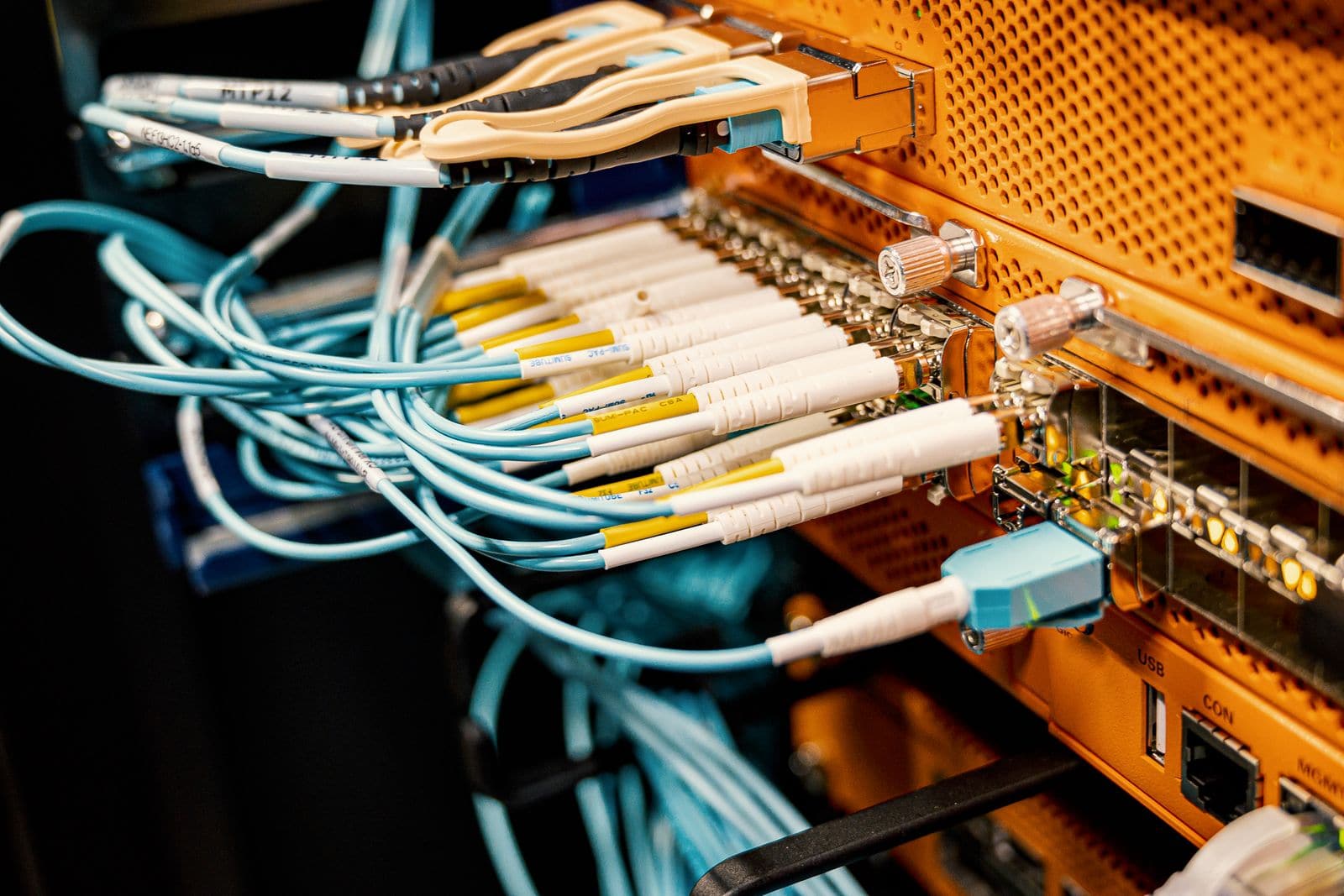
Cat6A to every room
Two drops per bedroom, four in living areas — all home-run to one central closet, labeled at both ends.
A central wiring closet
A ventilated enclosure on its own 20A circuit. It's the brain of the whole house.
WiFi access-point drops
A ceiling Cat6A line for each access point so coverage actually reaches every corner.
TV & display walls
Power, data, and a recessed box behind every TV, with conduit for a clean, wire-free look.
Home-theater pre-wire
In-wall speaker wire and HDMI conduit roughed to the theater or media room.
Whole-home audio
In-ceiling speaker runs by zone — patio, kitchen, primary — wherever you'll want music.
Cameras & doorbell
PoE lines to four to six exterior camera spots and a video doorbell, placed to cover the blind spots.
Smart-lighting neutrals
A neutral wire at every switch so smart dimmers and keypads just work down the road.
Conduit for the future
Smurf-tube from basement to attic so tomorrow's upgrades don't mean opening finished walls.
EV-charger rough-in
Pre-wire the garage now ($800–$1,200) instead of retrofitting later ($2,000–$3,000).
Typical Utah packages
Pick the level that fits the build
Essentials
$8k–$15k
Network to every room, a central closet, WiFi drops, TV walls, and camera lines. The smart baseline every new Utah home should have.
Get a quoteComprehensive
$25k–$45k
Everything in Essentials plus whole-home audio, home-theater pre-wire, smart-lighting neutrals, and full camera coverage.
Get a quoteLuxury
$60k–$150k+
Dedicated theater, full automation, lighting control, and multi-zone everything — designed with your builder from the plans up.
Get a quoteTiming: I come out after electrical & plumbing rough-in, before insulation and drywall — usually weeks 6–12. Get me your plans early and I'll coordinate with your builder.
Good to know
New-home wiring — common questions
Straight answers for anyone building or buying new. Anything else, just text me.
What should I wire before drywall in a new home?
The essentials: Cat6A network drops to every room (two per bedroom, four in living areas), a central wiring closet, ceiling drops for WiFi access points, speaker wire for whole-home audio and theater, PoE lines for security cameras and a video doorbell, conduit from basement to attic for future upgrades, and a neutral wire at every switch for smart lighting.
Is pre-wiring a new home worth it?
Almost always. Pre-wiring during construction runs about $3,000–$8,000 — roughly 1–2% of the build — while retrofitting the same wiring later costs $10,000–$25,000+. That's a 40–60% savings, because the walls are already open.
How many ethernet drops should a new home have?
A good rule of thumb is two Cat6A drops per bedroom, four in main living areas, two per office, plus a ceiling drop for each WiFi access point. Most modern Utah homes end up with 20–30+ total drops, home-run to a central closet.
Cat6 or Cat6A for a new house?
Cat6A is the 2026 baseline — 10 Gbps to 100 meters, better PoE heat handling for cameras and access points, and ready for Wi-Fi 7 and Matter. It's a small upcharge now and it future-proofs the house.
When do you need to come out during the build?
After electrical and plumbing rough-in, but before insulation and drywall — usually weeks 6–12. I walk the framing with your builder to lock the wiring-closet location, cable routes, and speaker and mount positions.
Can I add smart-home features after the house is built?
Some, yes — but the wiring is the expensive part to add later. Running cable during framing costs a fraction of fishing finished walls, and some runs aren't even possible after the fact because of fire breaks. Pre-wire now, add the gear whenever you're ready.
What does new-home pre-wire cost in Utah?
A typical whole-home pre-wire package runs about $2,500–$4,500; larger or more complex homes $4,400–$15,000+. Per network drop it's roughly $150–$250. You'll get an itemized quote before I start.
Do you work with my builder?
Yes — I coordinate directly with your builder and electrician so the low-voltage rough-in lines up with the schedule, respects the other trades, and passes inspection.
Free quote · No pressure
Building soon? Let's get your wiring plan sorted.
Send me your floor plans and I'll tell you exactly what to run — and what it'll cost — usually within the hour. Building for resale or a client? See my builders page.
Licensed & insured No hidden fees You talk to Cameron, not a call center